

Information Management and Technology (IMT) is about managing digital resources in today’s organisations. It includes all the processes, systems, and tools needed for modern operations.
At its heart, IMT is key to daily business tasks. It helps handle data well and supports important decisions in every department.
IMT has become a critical part of business and a respected career. Experts in this field create and keep the tech systems that help companies succeed.
Good information technology makes businesses run smoother and improves customer service. It combines technical skills with managing business processes well.
As digital changes grow, so does the need for IMT. Knowing about IMT helps us understand today’s organisations better.
What Is Information Management and Technology
Information Management and Technology combines organisational practices with digital systems. This mix helps organisations use data to its fullest. It makes sure technology supports business goals, not just exists on its own.
Core Principles of Information Management
Good information management has key principles. One is making sure information is easy to get to. It should be available to those who need it, without delays.
Keeping data safe is another big deal. In today’s world, protecting sensitive information from hackers is vital. Companies must have strong security measures in place.
Related Posts:
- What Is ServiceNow Technology IT Workflow Automation

- How Technology Has Changed Parenting The Digital…

- How to Reduce Technology Dependence A Guide to…

- What Is Pagaya Technologies AI-Powered Finance Explained

- Is HCL Technologies a Good Company Employee Reviews…

- Interesting Facts About Technology Surprising Tech Truths

Ensuring data quality is also key. If data is not accurate, decisions made from it can be wrong. This is why keeping data reliable is so important.
Following legal rules is also a must. Different fields have their own rules for handling data. These rules must be followed by management practices.
Fundamentals of Information Technology
Information Technology is the backbone of data management. It includes hardware like servers and storage devices. These are the physical parts needed for data work.
Software makes this hardware useful. It includes operating systems and apps that help process and store data. This makes information easy to find and use.
Networking lets systems talk to each other. This includes local and wide area networks, and the internet. It’s like a network of roads for data to travel on.
Together, these parts form systems that help businesses run smoothly. Experts say, “Modern IT infrastructure is key to good information management. It gives the power and tools needed for today’s businesses.”
When management and technology work together, great things happen. Companies that get this can do better in many ways. They make better decisions and work more efficiently.
Using technology in a way that fits the business is best. This approach makes sure the technology is worth the cost. It also makes sure it meets the company’s goals.
The Interplay of Data, Information, and Knowledge
The path from raw numbers to useful insight is key in today’s businesses. It’s about turning data into information and then into knowledge that guides actions. This difference makes some companies thrive while others struggle with too much data.
Defining Data and Its Characteristics
Data is the basic part of a company’s smartness. It’s raw, unsorted facts and figures without any meaning. It can be numbers, words, pictures, or sensor data.
Data has important traits that companies need to understand. It can be sorted or not, and it’s found in many systems. Good management helps handle this variety well.
The amount of data we make every day is growing fast. This growth brings both chances and challenges for using data wisely.
Transforming Data into Information
Information comes when we sort and understand raw data. This makes data useful and meaningful. It’s about seeing connections in facts.
Take sales numbers for example. Single sales are data. But when sorted by area, product, and time, they show how the market is doing. This helps managers spot trends.
To turn data into useful info, we clean and sort it. This adds context and makes facts useful for making decisions.
Leveraging Knowledge in Organisations
Knowledge is the top level of a company’s smartness. It’s the insights and skills that guide decisions and plans. This knowledge gives companies an edge over others.
Good knowledge management lets companies share and use this collective wisdom. It turns individual ideas into shared strengths that help the whole company.
Companies that use their knowledge well are more innovative and flexible. They become places where learning and improvement are constant.
The DIKW Hierarchy Explained
The DIKW model shows how companies add value to their data. It’s a pyramid that shows how data, information, knowledge, and wisdom are connected.
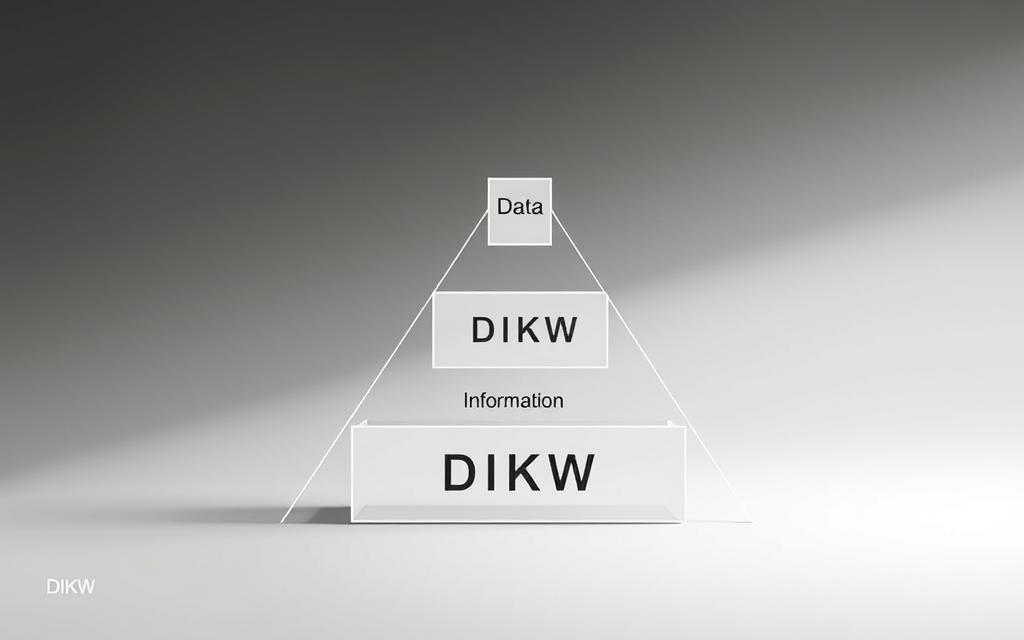
Each level adds more meaning and use. The DIKW model helps see how far a company has come in using its data. It also shows where they can get better.
The model shows how data becomes more valuable as it’s processed. This helps in making better choices and plans for the company.
“Knowledge management is about making a company better from its ideas and knowledge.”
Using the DIKW model helps companies get the most from their data. It’s a guide for building strong knowledge that keeps a company ahead.
Understanding Information Systems
Information systems are key to modern business. They help collect, process, and share important data. This technology, people, and processes work together to make better decisions and improve business.
- Hardware: Things like servers, computers, and networking gear
- Software: Programs that handle data
- Data: Raw information that becomes useful
- People: Those who use and manage the system
- Processes: Rules and steps for using the system
Categories of Information Systems
Businesses use different information systems based on their needs. These systems are mainly divided into three types, each serving a specific purpose.
Operational-level systems deal with everyday tasks. They track sales, purchases, and stock levels. This data is the base for all organisational information.
Tactical-level systems help middle managers make decisions. They look at operational data to spot trends and plan short-term goals.
Strategic-level systems guide top leaders in long-term planning. They use data to shape the company’s future and set policies.
Operational Roles of Information Systems
Information systems play vital roles in business. They affect operations and efficiency across departments and levels.
Transaction processing systems handle daily transactions. They keep records accurate and support quick decision-making.
Management information systems turn data into reports for managers. They help track performance, allocate resources, and plan tactics.
Decision support systems offer tools for solving complex problems. They help executives evaluate options, assess risks, and make strategic decisions.
Each system plays a unique role in organisational success. Together, they form a strong technological base that supports both daily operations and long-term goals.
Components of Information Technology Infrastructure
Modern IT infrastructure is key to how businesses work. It has both physical and digital parts that work together. This setup helps companies handle, store, and share data well. It also supports many applications and services.
Essential Hardware Elements
Hardware is the physical stuff that makes information systems work. It includes servers, computers, networking gear, and storage. Each part has its own job to keep things running smoothly.
Servers handle data requests and manage resources. Computers and mobile devices let users access information. Storage systems, like hard drives, keep important data safe.
Networking hardware lets devices talk to each other. Routers, switches, and firewalls make sure data gets where it needs to go safely. These parts are the physical heart of network infrastructure for companies.
| Hardware Type | Primary Function | Key Considerations | Typical Lifespan |
|---|---|---|---|
| Servers | Central data processing | Processing power, redundancy | 3-5 years |
| Storage Systems | Data preservation | Capacity, access speed | 4-6 years |
| Network Devices | Communication enablement | Bandwidth, security features | 5-7 years |
| End-user Devices | User interaction | Compatibility, performance | 2-4 years |
Software Solutions and Applications
Software is the programmes and apps that tell hardware what to do. It includes operating systems, office suites, and special business tools.
System software manages hardware and lets other software run. Application software meets specific user needs, like accounting or managing customer relationships.
Middleware helps different software apps talk to each other. It makes sure systems can share data smoothly within a company.
Networking and Communication Technologies
Networking tech makes it possible for data to move around in and between companies. It lets devices share resources and info through set rules.
LANs connect devices in small areas. WANs reach further. Wireless tech adds flexibility and mobility.
Communication protocols make sure devices can share info correctly. VoIP and video conferencing help teams work together in real-time. These parts make up the full network infrastructure for today’s business needs.
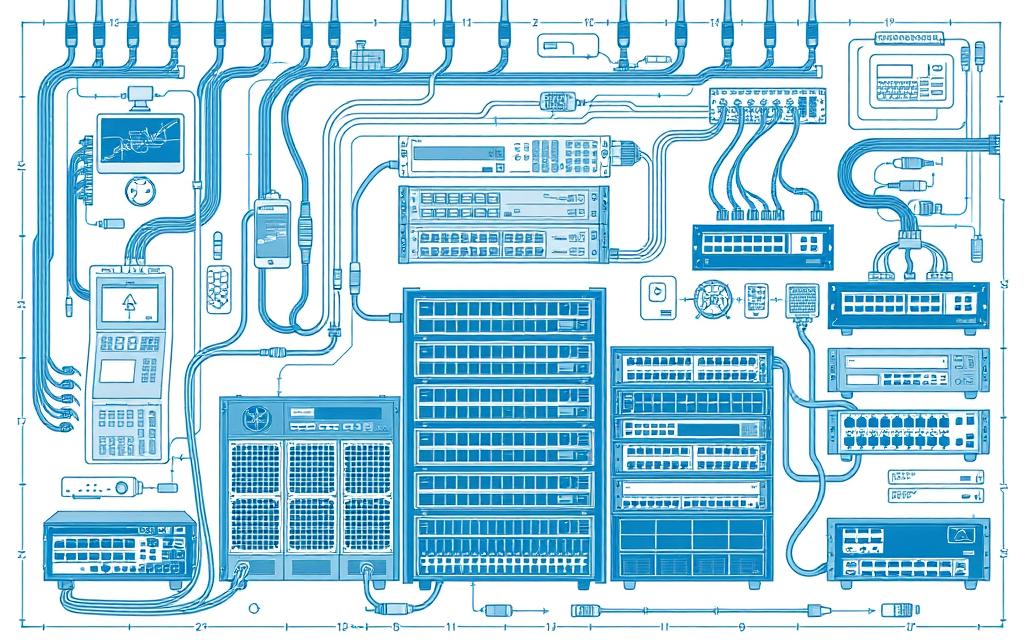
Cloud computing changes how companies use computing resources. It offers access to resources on demand without needing to manage them directly.
Virtualisation lets many virtual machines run on one physical device. It uses hardware better and keeps environments separate.
Today’s cloud services come in different types:
- Public clouds: Services available over the internet
- Private clouds: Clouds just for one company
- Hybrid clouds: Mix of public and private cloud options
These cloud services offer flexibility, scalability, and cost savings. Companies can adjust resources as needed without big investments in physical stuff.
Data Management Techniques and Practices
Data management frameworks are key to keeping data quality, accessible, and secure. They help organisations use their data well and reduce risks. This way, data stays valuable, not a problem.
Methods for Data Collection and Storage
Companies use many ways to get and keep their digital data. They collect data from automated systems, sensors, and user input. It’s important to make sure the data is accurate and useful.
There are many ways to store data now:
- Relational databases for structured data
- Data warehouses for analysis
- Cloud storage systems for easy access
- Distributed file systems for big data
Choosing the right storage depends on data size, how it’s used, and legal needs. Database experts make sure these systems work well.
Processes for Data Analysis and Utilisation
Turning data into useful insights is a big step. Data analysis uses numbers and words to find important patterns. This helps organisations make better decisions.
The analysis process includes:
- Cleaning and preparing data
- Finding patterns
- Testing hypotheses
- Showing results
- Using the insights
Good data analysis leads to better decisions and finds new chances. Companies that do this well stay ahead.
Ensuring Data Security and Privacy
Keeping sensitive data safe is very important. Data security fights off threats from outside and inside. It uses technology, rules, and training.
A strong data security plan includes:
- Encryption for data safety
- Access controls
- Security checks
- Plans for emergencies
Privacy is also key, covering ethical use and following laws. Companies need clear rules for handling personal data.
Keeping data safe needs constant effort. Without it, companies face big problems like fines and losing trust.
Strategic Approaches to Information Management
Organisations need to look beyond just the tech to really use their information well. They must plan and set up systems that link tech to business goals. Good information management comes from planning ahead, not just reacting to needs.
Formulating Information Management Strategies
Creating a strong IT strategy starts with knowing what the business wants. Companies should make sure their tech investments help meet these goals. This way, every system adds value, not just takes up space.
Creating a strategy involves several steps:
- Looking at what info systems you have now and what’s missing
- Finding out where tech can improve business processes
- Setting up ways to measure if things are working
- Planning out how to roll out new tech step by step
Management Information Systems (MIS) experts are key in this. They help companies think smart about using tech and see its value. This smart thinking makes the difference between success and just buying tech.
Implementing Effective Management Frameworks
After setting strategies, strong management frameworks are needed to put them into action. These frameworks guide how tech is chosen, used, and kept up. They also help make sure everyone follows the same rules.
Popular frameworks include COBIT, ITIL, and ISO/IEC 38500. Each has its own strengths:
- COBIT focuses on governance and control objectives
- ITIL emphasises service management and delivery
- ISO/IEC 38500 provides principles for corporate governance of IT
Putting these frameworks into action needs careful planning. Staff need training, policies need updating, and ways to check progress must be set up. The best results come from tailoring frameworks to fit the organisation, not just following them blindly.
Regular checks and tweaks keep frameworks up to date as business needs change. This keeps the IT strategy in line with the market.
The Importance of Database Systems
At the heart of every efficient information management strategy lies a robust database system. These systems are key for storing, organising, and retrieving valuable digital assets. Without them, modern businesses can’t function well.
Relational Database Management Systems
Relational Database Management Systems (RDBMS) are the traditional way to store data. They use tables with rows and columns to link different data sets. The standard way to manage data is through SQL.
The main benefits of RDBMS are:
- Data integrity through ACID properties (Atomicity, Consistency, Isolation, Durability)
- Standardised query capabilities using SQL
- Well-established security features
- Mature technology with extensive support resources
Popular RDBMS solutions include Oracle Database, Microsoft SQL Server, and MySQL. They are best for applications needing reliable data.
NoSQL Databases and Big Data Handling
NoSQL databases handle big volumes of unstructured data. They have flexible schema designs for different data types. This makes them great for handling diverse data.
NoSQL databases are best for:
- Big data analytics and processing
- Real-time web applications
- Content management systems
- Internet of Things (IoT) data streams
The main types of NoSQL databases are document stores, key-value stores, column-family stores, and graph databases. Each type is suited for specific needs where traditional models fail.
Security Protocols for Databases
Implementing strong database security protocols is key for info management pros. These measures protect data from unauthorised access and breaches. Good database security has many layers.
Important database security practices are:
- Authentication and access control mechanisms
- Encryption of data at rest and in transit
- Regular security audits and vulnerability assessments
- Backup and disaster recovery procedures
- Compliance with relevant data protection regulations
Modern database security solutions include advanced features like behavioural analytics. These help protect against cyber threats and ensure compliance.
Database admins must keep up with security threats. Regular training, security patches, and incident response planning are key to a strong database security strategy.
Business Intelligence and Analytical Tools
Today, companies use advanced technologies to turn raw data into useful insights. These tools are key to business intelligence, helping firms make smart choices with detailed data analysis.
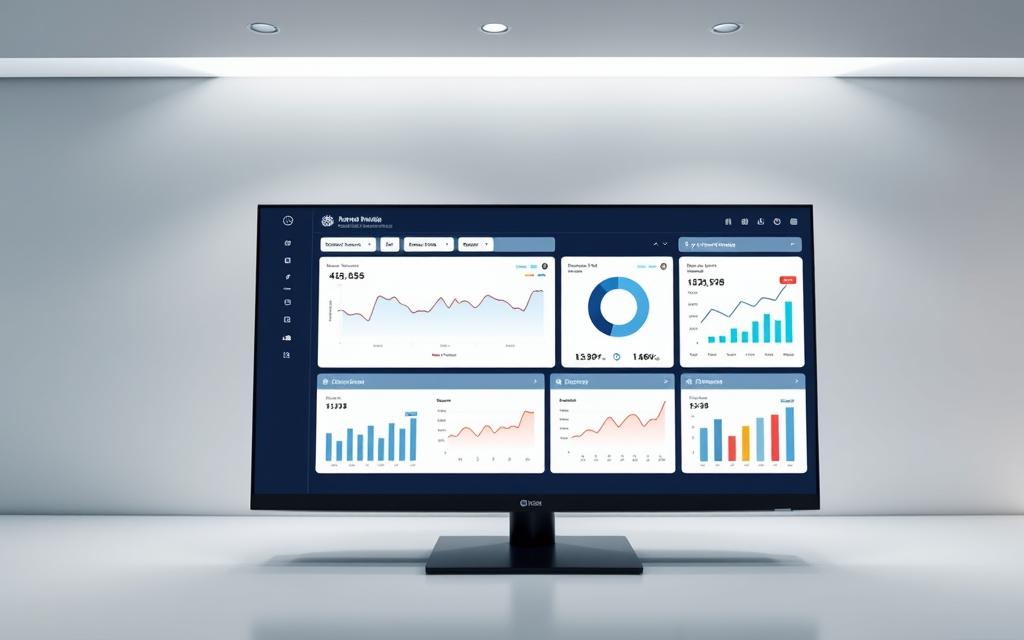
Technologies for Data Analysis and Reporting
Nowadays, data analysis tools are diverse, meeting various business needs. They handle big data to spot trends and connections that might be missed.
Reporting tools have grown from simple spreadsheets to interactive dashboards. Today’s platforms show data in real-time, making it easy to track important metrics.
The market has many options for businesses of all sizes:
- Big platforms like Tableau and Power BI
- Free options such as Metabase and Redash
- Custom solutions for specific needs
“The true power of business intelligence lies not in collecting data, but in transforming it into actionable insights that drive organisational success.”
These tools often include:
| Technology Type | Primary Function | Common Applications |
|---|---|---|
| Data Mining Tools | Pattern recognition | Market basket analysis |
| OLAP Systems | Multidimensional analysis | Financial reporting |
| ETL Platforms | Data extraction and transformation | Data warehouse management |
| Visualisation Software | Graphical data representation | Executive dashboards |
Decision Support Systems in Practice
Decision support systems (DSS) are a special part of business intelligence. They help managers look at complex situations by simulating outcomes and assessing risks.
DSS uses data from different places, like:
- Internal databases and data warehouses
- External market data feeds
- Historical performance metrics
- Real-time operational data
These systems are great for non-routine decisions with many factors. Managers use DSS to try out different scenarios before making real changes.
The use of decision support systems varies by industry:
| Industry | DSS Application | Key Benefits |
|---|---|---|
| Healthcare | Treatment planning | Improved patient outcomes |
| Manufacturing | Production scheduling | Resource optimisation |
| Retail | Inventory management | Reduced stockouts |
| Finance | Risk assessment | Better investment decisions |
Modern DSS tools use advanced analytics and machine learning. These features lead to more accurate advice, making decisions better.
Combining business intelligence tools with decision support systems is powerful. It helps companies handle market changes and challenges better.
Challenges in Modern Information Management
Today, organisations face big challenges in managing their information. The digital age brings complex problems that need smart strategies and strong systems. These issues affect technical, operational, and legal areas, needing a full approach to keep organisations strong.
Information management experts must deal with growing data and smarter threats. This mix creates a big challenge for any organisation. To succeed, they must balance new ideas with safety, access with protection, and growth with rules.

Addressing Data Quality and Integrity
Data quality is a big worry for all organisations. Bad data leads to wrong decisions, poor strategies, and less efficiency. Common problems include duplicate, wrong, and mixed-up data across systems.
Organisations use many ways to keep data right:
- Regular data cleaning and checking
- Standard data entry rules and training
- Automatic quality checks
- Checks to make sure data is the same everywhere
These steps help leaders make decisions based on reliable information. Bad data quality costs more than money, affecting reputation and chances.
Cybersecurity Risks and Mitigation
The world of cybersecurity keeps changing, with new threats all the time. Organisations face dangers like ransomware and phishing that target important info.
Good cybersecurity plans have many layers of defence:
| Risk Category | Potential Impact | Mitigation Strategies |
|---|---|---|
| External Attacks | Data theft, system disruption | Firewalls, intrusion detection systems |
| Internal Threats | Unauthorised access, data leakage | Access controls, employee monitoring |
| Technical Vulnerabilities | System compromises, data loss | Regular updates, vulnerability assessments |
| Human Error | Accidental data exposure | Training programmes, clear protocols |
Information security is now a key part of IT. Experts in this field work on strong protection plans against threats. Regular security checks and tests find weaknesses before they are used by attackers.
“The only truly secure system is one that is powered off, cast in a block of concrete, and sealed in a lead-lined room with armed guards.”
Navigating Regulatory and Compliance Requirements
The rules for protecting data are getting more complex worldwide. Organisations must follow many laws about how they handle information. These data compliance rules change by industry and place, making things complicated.
Important laws include:
- General Data Protection Regulation (GDPR) for European operations
- California Consumer Privacy Act (CCPA) for US-based organisations
- Health Insurance Portability and Accountability Act (HIPAA) for healthcare data
- Payment Card Industry Data Security Standard (PCI DSS) for financial transactions
Following these data compliance rules needs special skills and resources. Many groups focus on this, working with legal and IT teams. They make policies, do audits, and keep up with new rules.
Not following rules can lead to big fines and legal trouble. It also hurts trust and reputation. Being proactive in following rules is a big advantage in business today.
For more on these challenges, there are detailed resources available. They explain information management challenges in different areas and industries.
Emerging Trends in Information Technology
The world of information technology is changing fast. New solutions are coming that change how we use and manage data. These new technologies make things run better and open up new chances for success.
Advances in Artificial Intelligence and Machine Learning
Artificial Intelligence and Machine Learning are big steps forward. They let computers learn from data and make smart choices on their own.
AI in business has changed many areas. It helps with things like predicting sales and improving customer service. Machine Learning finds patterns and problems that people might miss.
Some key uses are:
- Systems that automatically sort and process data
- Tools that predict when machines need fixing
- Systems that catch fraud in finance
- Platforms that offer custom experiences to customers
Integration of Internet of Things (IoT) Devices
The growth of IoT technology links physical things to digital networks. This creates big networks of smart devices. These devices send out lots of data that companies can use to learn more about how things work.
IoT devices, like smart factory tools and sensors, send out data all the time. This data helps companies keep an eye on things, make things better, and know when to fix things before they break.
The table below shows how IoT is used in different areas:
| Industry Sector | IoT Application | Key Benefits |
|---|---|---|
| Manufacturing | Smart sensors on production lines | Real-time quality control and predictive maintenance |
| Healthcare | Remote patient monitoring devices | Continuous health data collection and analysis |
| Retail | Smart inventory management systems | Automated stock monitoring and replenishment |
| Agriculture | Precision farming sensors | Optimised resource usage and yield prediction |
Blockchain Technology for Enhanced Security
Blockchain is a new way to keep data safe and make sure transactions are real. It’s a system that keeps a record of everything that happens, and it’s hard to change.
Because it’s spread out, blockchain is hard to hack. Every transaction is locked in with special codes, making it hard to mess with. This makes sure that data and transactions are safe.
Companies use blockchain for:
- Safe money transfers and smart contracts
- Tracking things in the supply chain
- Checking who you are and controlling access
- Keeping documents safe and knowing who changed them
These new technologies are changing how we handle information. They make it better, safer, and more useful. Companies that use these new tools are getting ahead in a digital world.
Conclusion
Information management and technology are key to modern business. They help organisations use data well. This turns raw data into useful insights for making big decisions.
The need for IT experts is growing fast. Companies want people who can handle complex systems and keep data safe. This field has many career paths, from technical to strategic roles.
New technologies like artificial intelligence and blockchain are changing IT. They promise to make information handling more efficient and analytical. This will change how businesses work.
Information management and technology are always changing. They need constant learning and updating. Companies that get good at these areas will stay ahead in the digital world.
FAQ
What is Information Management and Technology (IMT)?
IMT is a key area that covers all aspects of managing information in businesses. It includes the systems, hardware, and software needed for today’s operations. It’s essential for any company, helping them use information wisely to achieve their goals.
How do Information Management and Information Technology differ?
Information Management deals with how to handle information well. It makes sure the information is safe, easy to find, and useful. Information Technology, on the other hand, is about the tools and systems that help manage this information.
What is the DIKW hierarchy in information management?
The DIKW hierarchy is a model that shows how data becomes useful information, then knowledge, and eventually wisdom. It helps organisations make better decisions and gain a strategic edge.
What are the key components of an information system?
An information system has five main parts: hardware, software, data, people, and processes. These work together to manage and share information. They help at all levels of a business, from day-to-day tasks to long-term plans.
What constitutes an organisation’s IT infrastructure?
An IT infrastructure includes things like computers and servers. It also includes software and networking technologies. New ideas like cloud computing and virtualisation are also important.
Why is data management critical for organisations?
Data management is key because it deals with how to handle data. It’s about collecting, storing, and analysing data. Good data management helps organisations make smart choices and keep their data safe.
How can organisations develop effective information management strategies?
To create good strategies, organisations should match them with their business goals. They need to plan carefully and use the right technology. This helps them manage information well.
What role do database systems play in information management?
Database systems are important for storing data. They help keep data organised, whether it’s structured or unstructured. It’s also vital to protect this data from being stolen.
How do business intelligence tools support decision-making?
Business intelligence tools help turn data into useful information. They make it easier to understand and use data. This helps managers make better decisions.
What are the main challenges in modern information management?
Challenges include keeping data accurate and safe, and following laws about data. These issues need strong plans and constant checking to solve.
What emerging trends are shaping the future of information technology?
New trends include using Artificial Intelligence and Machine Learning. The Internet of Things (IoT) and blockchain technology are also changing how we manage information. These changes bring new ways to work and keep data safe.
What career opportunities exist in Information Management and Technology?
IMT offers many jobs, like data analysts and IT managers. There’s a lot of demand for these roles because of the importance of technology in business today.